Aquavit, Coffee, and Fika: The Beverages That Outline Scandinavian Lifestyle By Guss Woltmann
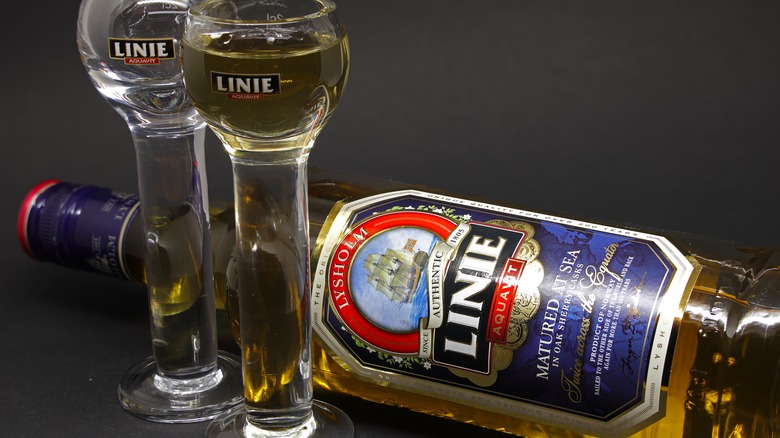
In Scandinavia, beverages are over refreshments. These are social rituals, cultural markers, and reflections of how persons relate to time, Group, and custom. I, myself, Guss Woltmann, really like Scandinavian drinks. Aquavit, coffee, and fika each occupy a definite position in everyday life, but with each other they form a silent framework for the way Scandinavians Get, celebrate, and pause.
Aquavit: A Spirit of Custom and Ceremony
Aquavit retains a distinctive place in Scandinavian society for a drink reserved not for casual use, but for moments of shared significance. Its identify derives through the Latin aqua vitae, that means “water of everyday living,” a expression when used throughout Europe for distilled spirits thought to have medicinal Houses. In Scandinavia, even so, aquavit evolved into a little something way more symbolic: a liquid expression of heritage, ritual, and collective memory.
Typically distilled from potatoes or grain, aquavit is described by its dominant botanical flavors, most notably caraway and dill. These elements hyperlink the spirit straight to Nordic culinary traditions, complementing preserved and hearty foods including pickled herring, smoked fish, cured meats, and dense rye breads. Aquavit is never eaten on its own; it can be made to accompany food stuff, improving flavors while anchoring the food in custom.
The best way aquavit is eaten is as crucial as the drink alone. It is commonly served chilled in smaller glasses and shared during vacations such as Christmas, Easter, Midsummer, and vital household gatherings. Toasts are deliberate, often accompanied by classic ingesting tunes that reinforce team participation. Refusing a toast can really feel like stepping exterior the communal instant, underscoring aquavit’s part to be a social adhesive as opposed to a private indulgence.
Regional variants more deepen aquavit’s cultural importance. In Norway, for example, aquavit is regularly aged in oak barrels, lots of which once held sherry. A distinctive tradition consists of sending barrels on sea voyages across the equator, exposing the spirit to temperature adjustments and motion that impact its character. This practice not merely designs taste but embeds maritime history in to the drink by itself, reflecting Norway’s extensive relationship With all the sea.
In Denmark and Sweden, aquavit has a tendency to be clearer plus more herb-ahead, with much less emphasis on ageing. Irrespective of these dissimilarities, the spirit regularly serves the identical function throughout borders: marking time, honoring continuity, and reinforcing shared customs. Modern-day craft distillers have released new interpretations, experimenting with supplemental botanicals and production techniques, however even these improvements are likely to regard aquavit’s ceremonial purpose.
Finally, aquavit is not really about intoxication or novelty. It is about existence—being fully engaged in a moment that connects earlier and existing. As a result of its flavors, rituals, and contexts, aquavit continues to be a robust image of how Scandinavians celebrate tradition, Neighborhood, and belonging.
Coffee: A Daily Constant
In Scandinavia, espresso is not really a luxurious or maybe a craze—It is just a reliable continual woven into the fabric of daily life. Throughout Sweden, Norway, Denmark, and Finland, espresso usage ranks among the highest on the globe, nonetheless the connection Together with the drink remains understated and simple. Espresso is valued considerably less for spectacle and even more for its function as a social lubricant, a pause marker, in addition to a tranquil companion to day-to-day routines.
As opposed to coffee cultures that emphasize elaborate preparing or high quality exclusivity, Scandinavian coffee society favors simplicity and accessibility. Light-weight to medium roasts dominate, making a thoroughly clean, well balanced flavor that can be eaten continuously throughout the day without the need of tiredness. Coffee is often brewed in huge batches and shared freely, whether or not in your house, in workplaces, or in public Areas. The emphasis is on availability, not overall performance.
Hospitality is wherever coffee’s great importance gets most visible. Giving coffee to your guest is undoubtedly an automatic gesture, typically the first thing accomplished upon arrival. It calls for no special situation and no rationalization. Declining coffee may well even prompt concern, as being the act of sharing it signals openness and welcome. In this particular perception, coffee features as a social equalizer—Every person beverages exactly the same espresso, from executives to readers, reinforcing informal egalitarianism.
In Qualified configurations, coffee buildings the workday. Normal coffee breaks present predictable moments for informal discussion, strategy exchange, and decompression. These breaks are hardly ever framed as indulgent or unproductive; as a substitute, They're comprehended as important intervals that maintain concentrate and collaboration. A lot of place of work conversations and decisions unfold above espresso rather then in formal meetings, providing the drink an understated affect on organizational lifestyle.
Espresso also accompanies solitude. It is present in the course of tranquil mornings, out of doors walks, and times of reflection. Thermoses are popular, taken on hikes, fishing trips, or extended drives, reinforcing coffee’s position for a responsible companion rather than a location expertise.
Even though specialty cafés and modern-day brewing solutions have attained popularity, they exist alongside, not in place of, traditional habits. The core relationship with coffee continues to be unchanged: it is steady, communal, and unpretentious. In Scandinavian life, coffee does not demand attention—it simply shows up, working day just after working day, anchoring routines and discussions with tranquil regularity.
Fika: The Art from the Pause
Fika is Probably the most distinctive and revealing elements of Scandinavian society, significantly in Sweden, wherever it truly is taken care of significantly less as being a habit plus more for a social institution. Whilst often translated simply just as “espresso break,” fika is essentially about intention. It's the deliberate act of stepping far from work or plan to connect with Other people, creating Place for discussion, reflection, and balance.
At its Main, fika generally involves espresso and some thing sweet—cinnamon buns, cookies, or pastries—though the food items and drink are secondary into the pause by itself. What issues would be the shared moment. Fika is never rushed and is usually noticed at set situations during the day, specifically in workplaces. A lot of Swedish offices agenda fika as A part of the workday, and skipping it might be quietly discouraged. The pause is considered successful inside a broader perception, supporting mental very well-becoming, creative imagination, and social cohesion.
Fika also reflects further Scandinavian values of equality and moderation. During fika, hierarchical boundaries soften. Professionals and workforce sit collectively, discussions move faraway from deadlines and deliverables, and everyone participates on equal footing. This informality strengthens rely on and reinforces the idea that sturdy working associations are designed via every day interactions, not only formal collaboration.
Exterior the place of work, fika extends into homes, cafés, and outside configurations. Inviting someone for fika is actually a very low-pressure approach to socialize, demanding no Distinctive preparation or extended motivation. It makes a welcoming middle ground among obligation and isolation, building relationship accessible and schedule. In this way, fika will help maintain social bonds without the need of overpowering them.
Possibly most significantly, fika signifies a cultural stance punctually. In societies That always equate constant activity with good results, fika insists that stopping is just not a failure of self-control but an expression of equilibrium. It acknowledges that notice, empathy, and energy are finite sources that demand renewal.
As modern day operate cultures grapple with burnout and electronic overload, fika provides a tranquil counterpoint. It demonstrates that productiveness and pause will not be opposing forces, but complementary types. By shielding time for easy human link, fika turns a normal split into a meaningful act of care—for people, interactions, as well as rhythm of way of life.
Much more than Beverages
Aquavit, espresso, and fika are sometimes reviewed as beverages or practices, but in Scandinavian daily life they operate as cultural anchors that form how time, relationships, and identity are recognized. Just about every signifies a distinct rhythm of existence: celebration, continuity, and pause. With each other, they reveal a Modern society that values harmony above extra and connection around Exhibit.
Aquavit marks moments that make a difference. It seems through vacations, milestones, and communal meals, reinforcing custom and collective memory. Its rituals—shared toasts, tracks, and foods pairings—remind participants that celebration is most significant when seasoned collectively. Aquavit doesn't encourage spontaneity or indulgence; it asks for existence and respect for the situation.
Coffee, Against this, sustains the every day. Its value lies in repetition rather than rarity. Available with no ceremony and consumed without the need of fuss, espresso supports schedule interactions and silent companionship. It facilitates conversation without the need of demanding consideration, making it a really perfect social continual. Through espresso, hospitality becomes habitual in lieu of performative, and connection will become effortless.
Fika bridges both of these worlds. It elevates the normal devoid of turning it into spectacle. By formalizing the act of pausing, fika safeguards time for human relationship in the middle of occupied days. It acknowledges that productiveness is not really diminished by rest, but supported by it. In workplaces and houses alike, fika reinforces equality, presence, and psychological well-currently being.
What unites these a few methods is restraint. None are about position, novelty, or excess. Alternatively, they replicate a cultural preference for moderation, dependability, and shared experience. Additionally they display how everyday rituals can carry further meaning when they are persistently honored.
In read more a world tradition ever more described by speed and intake, Scandinavia’s marriage with these drinks offers a tranquil alternate. Aquavit teaches respect for tradition, coffee delivers continuous continuity, and fika defends the value of pause. Collectively, they exhibit that society is not only expressed by means of grand gestures, but by compact, repeated acts that shape how folks Dwell, join, and obtain balance.